Language Matters: Community Engaged Learning at the Shriver Center
In Summer 2024, the Shriver Center, UMBC’s hub for community engagement and public service, concluded a year-long process of reflection and exploration of our terminology resulting in changes to our curricular and co-curricular program framing language and staff titles from “Service-Learning and Community Engagement” (SLCE) to “Community Engaged Learning” (CEL). This update reflects alignment with community engagement terminology in the discourse on program values and language usage in our field and among counterpart institutions of higher education. It also aligns our work with the Carnegie Community Engaged Campus definitions and best practices.
What is Community Engaged Learning?
The community in CEL gives explicit reference to campus-community partnerships and collaborations that extend beyond the classroom and create bridges beyond the borders of the campus itself.
The engagement in CEL involves ethical relationships that bridge in both directions, leading to mutually beneficial and impactful processes and outcomes.
The learning in CEL further specifies that our community engagement centers around educational activities with integrated curricular and broader co-curricular and lifelong learning goals.
Community engaged learning in our usage thus overlaps and complements other forms of community engagement on and off campus including, for example, community engaged scholarship, community engaged teaching, and community engaged research, creating natural bridges and connections between community engagement activities in Shriver Center’s direct student programming and scholarly activities of our faculty and staff, and community engagement activities across our UMBC colleges and peer Centers. CEL at Shriver Center also reflects and affirms the values and practices embedded in Shriver Center’s Mission and Vision, Partnership framework and Truth Racial Healing and Transformation statement.
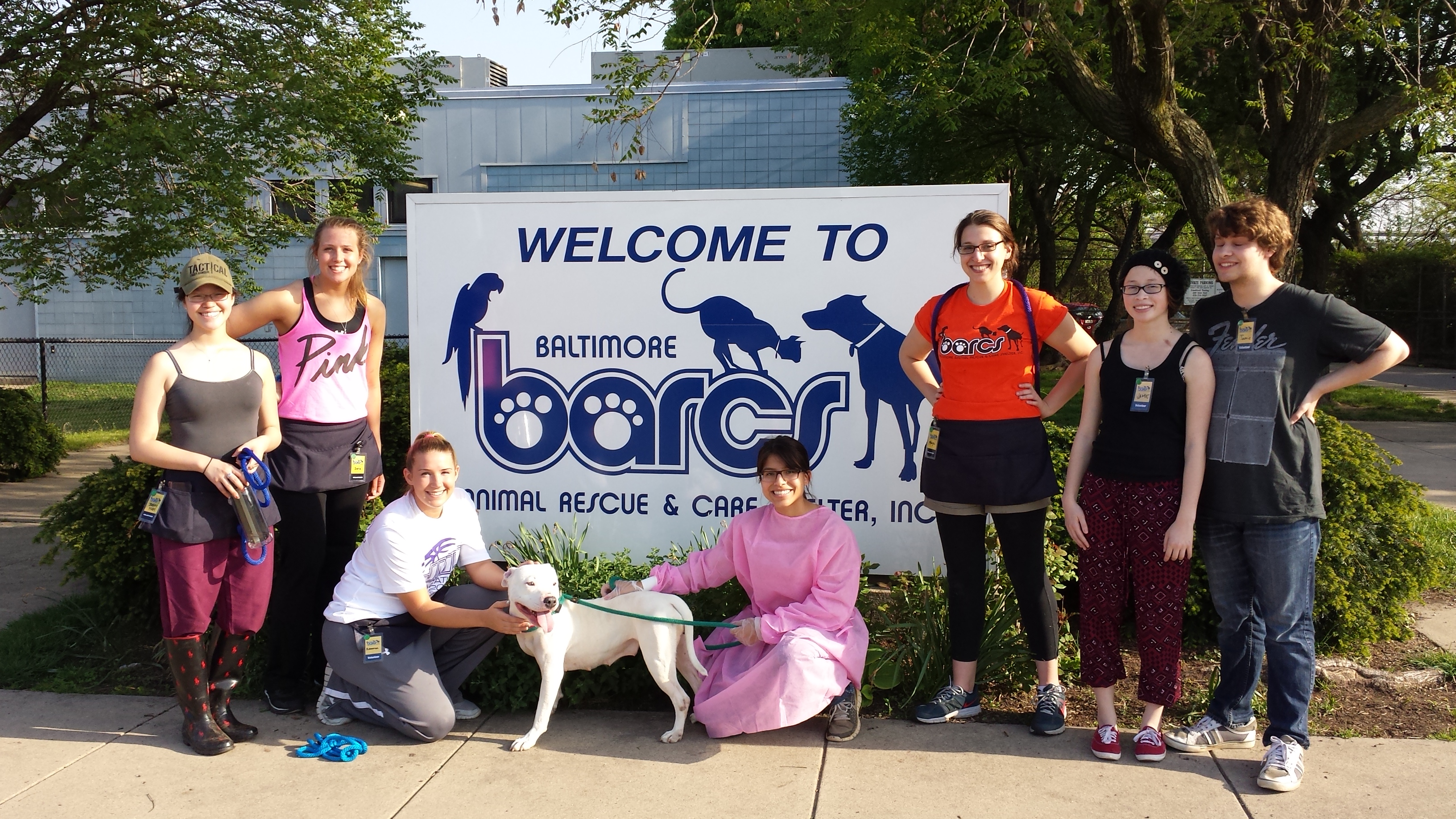
The 096 Community Service & Learning Practicum allows for students to engage in weekly service and reflection through the enrollment in a zero-credit, pass/fail course. In FY19, The Shriver Center coordinated over 900 placements with close to 60 different community partners.
Every semester, the Center collects data from UMBCworks describing the impact of service-learning and community engagement on student learning and development. Students report the impact of their experiences on their cognitive functional competencies (e.g., critical analysis and reasoning, Student/Self Survey, n=845) as well as their professional and affective/personal development (Placement/Site Survey, n=838). Findings from this year’s assessment include:
- 96% of service-learning respondents would recommend an internship/work/co-op-research/service placement to another student.
- 93% of service-learning respondents reported that their interpersonal communication skills increased as a direct result of their applied experience;
- 88% of service-learning respondents indicated that their awareness of civic responsibilities increased as a direct result of their applied experience;
- 87% of service-learning respondents agreed that participating in applied learning helped them to grow as a leader;
- 85% of service-learning respondents indicated that their ability to solve problems increased as a result of their applied learning experience;
- 84% of service-learning respondents agreed that their skills in teamwork and collaboration increased as a direct result of their applied experience;
- 83% of service-learning respondents reported increased their intercultural awareness and perspective increased as a direct result of their applied experience;
- 78% of service-learning respondents indicated that their self-confidence increased as a direct result of their applied experience;
- 78% of service-learning respondents agreed that their ability to apply their education to work increased as a result of their applied learning experience;
- 73% of service-learning respondents indicated that their oral presentation skills increased as a direct result of their applied experience;
- 70% of service-learning respondents agreed that their ability to view their career expectations realistically increased as a result of their applied learning experience;
- 68% of service-learning respondents indicated that the clarity of their career goals increased as a result of their applied learning experiences;
- 67% of service-learning respondents indicated that their motivation to continue and persist to graduation increased as a direct result of their applied experience;
- 67% of service-learning respondents indicated that their applied learning experience related to their major or career goals;
Staff work closely with students to choose their service sites based upon their passions, goals, interests and availability. Currently, the Shriver Center has community partnerships with organizations that focus on various issue areas that serve diverse populations. These include, but are not limited to, animal welfare, education, the environment, food and housing access, healthcare and mental health.
Student Information:
If you are interested in participating in Community Engaged Learning, please visit the 096 Service-Learning Practicum page. Please note that we will continue to update our service chart as new information becomes available (Sites fill, updates on orientation, etc.)
Faculty Information:
If you are interested in incorporating Community Engaged Learning into a current or future academic course, please set up a meeting with Community Engaged Learning Staff.

Community Partner Information:
If you are interested in having UMBC students volunteer with your organization, please look over our Community Partner Packet. Contact Community Engaged Learning Staff to discuss existing and future partnerships.
Alex Ballard
Assistant Director, Community Engaged Learning, alexballard@umbc.edu
Emily Passera
Program Coordinator, Community Engaged Learning, epassera@umbc.edu
Emily Paul
Program Coordinator, Community Engaged Learning, empaul1@umbc.edu
Lori L. Hardesty
Associate Director, Community Engaged Learning, lhardesty@umbc.edu